This article has been reproduced with permission from The Sector.
Australia’s early learning sector is stepping into new child safety reforms. Through early 2026, reforms are rolling out to strengthen provider accountability, visibility and culture and to refine the National Quality Standard (NQS), especially Quality Areas 2 and 7.
In this environment, many services are asking: do we have time to embed energetic movement rich play? The answer should be an emphatic YES!
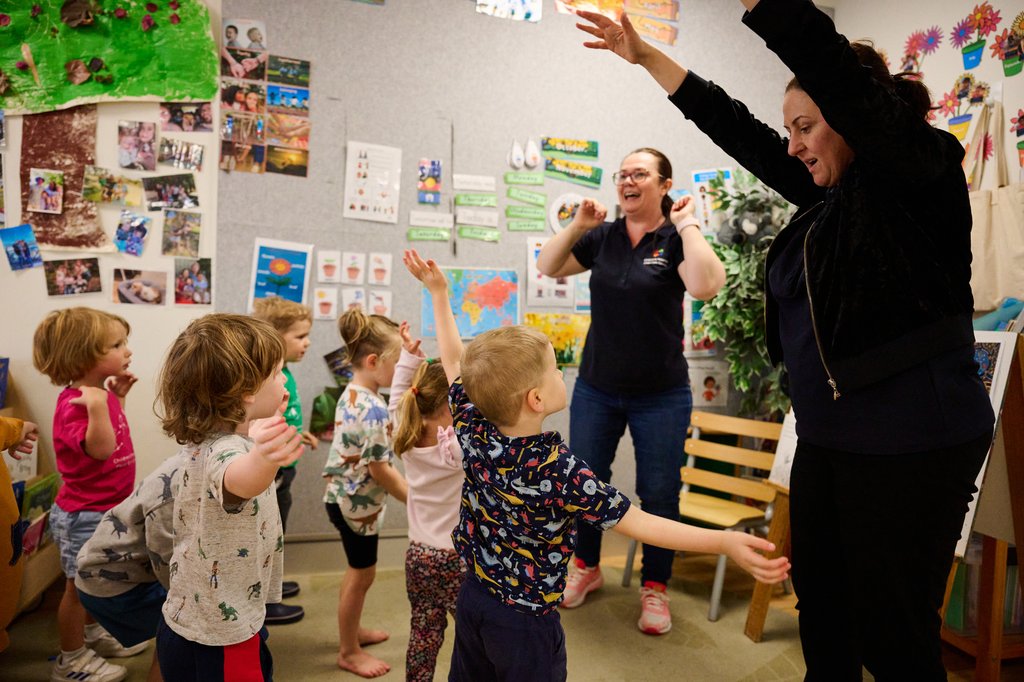
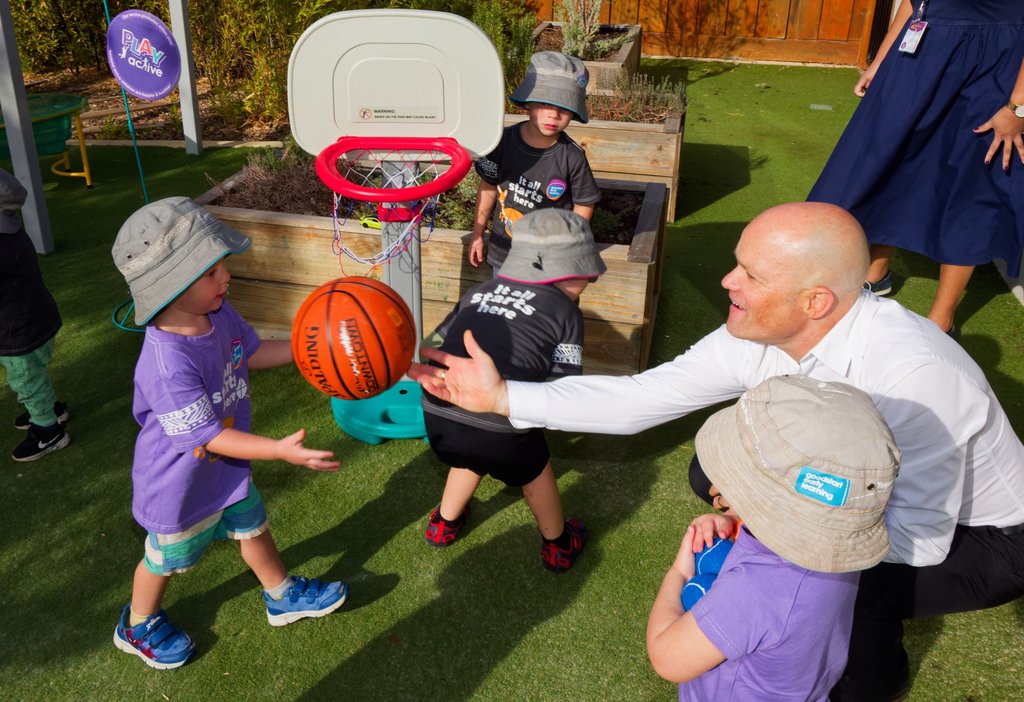
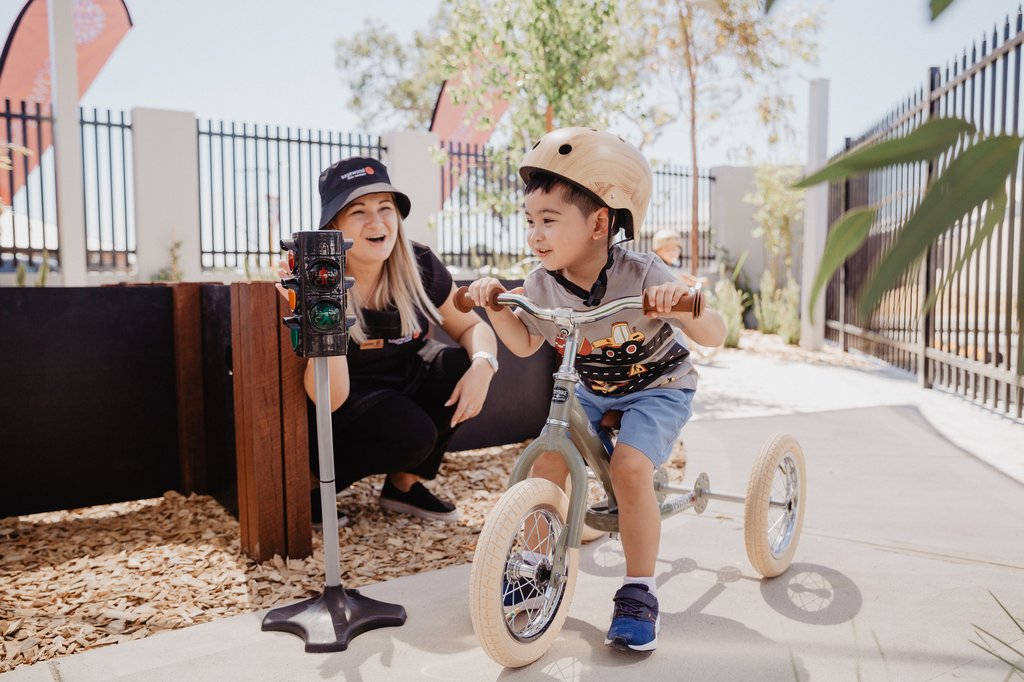
Effective supervision is active. When educators engage with children and join in children’s play, children remain in clear sightlines.
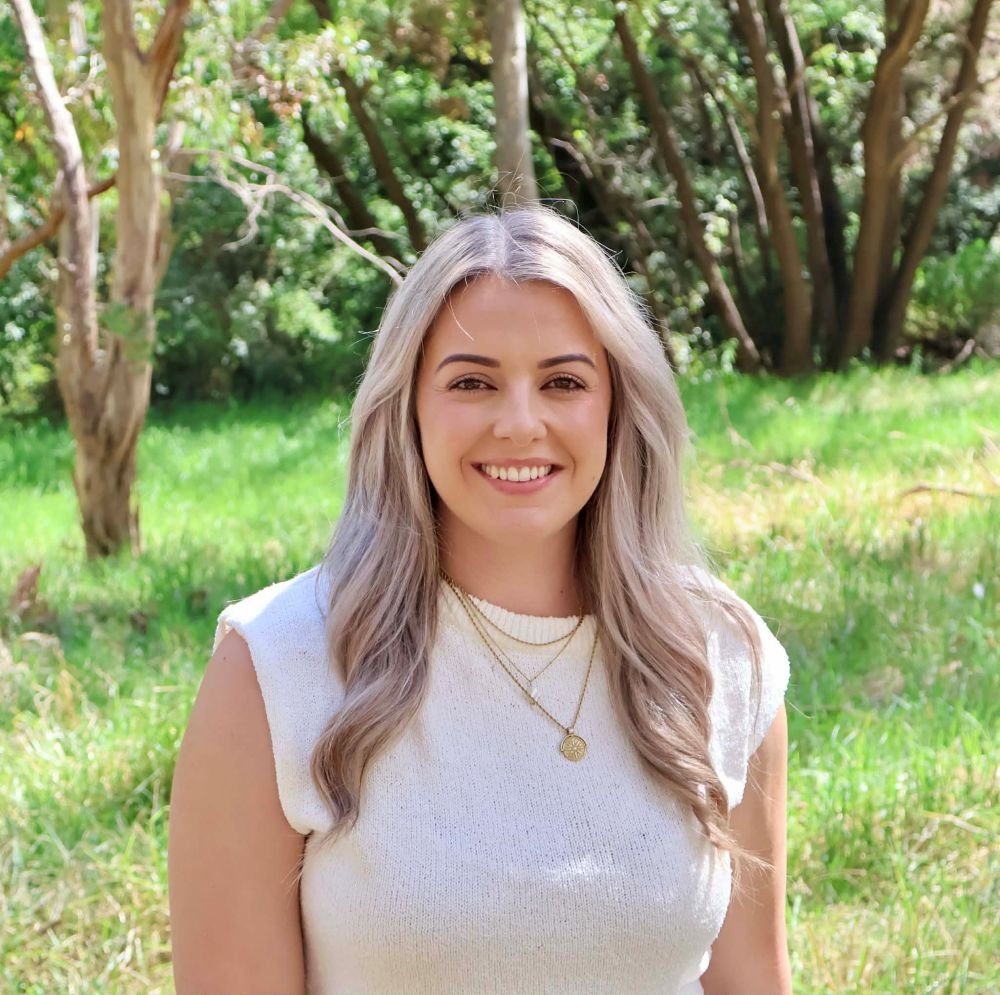
Emma from Sagewood: “When educators promote active play, it supports our children to be more visible and included during play as many of the experiences are intentionally planned as group-based activities. This type of play encourages children to come together supporting social connection, a sense of belonging within the group and inclusion. Group play also supports our educators to maintain active supervision more effectively, as many children are more visible and engaged within the environment.”
Four reasons energetic play strengthens child safety:
- It operationalises QA2 supervision.
Element 2.2.1 states that children are protected through adequate supervision and reasonable precautions. When educators are moving with children, not watching from afar, they can respond in real time and prevent hazards before they escalate.
Education leader spotlight: Georgia
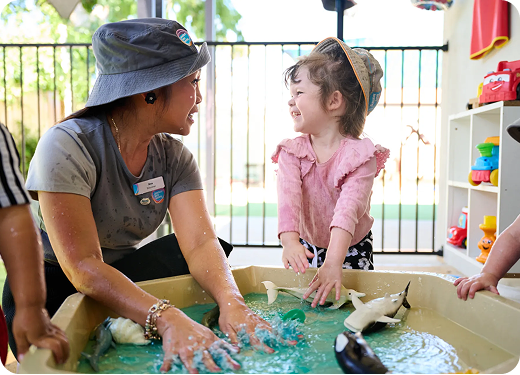
When active play is meaningfully embedded into the program, it results in higher levels of engagement and more purposeful supervision. When educators are actively participating in play experiences alongside children, they are not only facilitating learning but also modelling safe, positive movement and interaction. This shared engagement naturally strengthens supervision, as educators are more attuned, responsive, and present within the play environment. It also supports a higher standard of supervision because children are more regulated, more engaged, and more connected to educators during active play experiences.
- It reduces isolation.
Group play and educator presence reduce children’s isolation, a key focus of the national reforms aiming to embed visibility and a child safe culture in everyday practice.
- It integrates wellbeing and safety.
QA2 requires services to promote and support children’s physical activity (Standard 2.1). Engaged, active children are more regulated and connected, protective factors that support safety.
- It makes safety visible to families and assessors.
Assessors look for deliberate positioning, scanning and engagement; families notice educators engaged in play with children. Reforms reinforce this visible, cultural commitment to safety.
Sagewood Dayton Service Director Emma: “Our families respond positively when they see our educators engaged in physical play alongside the children out in the garden. They appreciate seeing educators not only encouraging movement, coordination and teamwork but also being actively involved and having fun; this could be playing soccer, hopscotch, yoga or an obstacle course.”
Sagewood Baldivis Education Leader Eryn: “Because our garden joins to the main car park and street, parents have a direct line of sight and hearing into the daily interactions between educators and children. Every day, we receive positive feedback from families noting how engaging the experiences look and highlighting the strong, secure relationships our educators share with the children. This visibility reassures families that our team is deeply present and actively involved in their child’s learning and development, rather than just supervising, fostering a strong sense of security and trust.”
Practical steps for services
- Map your supervision zones and rotate roles during high energy play; display ACECQA’s active supervision in 6 steps and embed this as shared language and everyday practices with your team
- Plan movement rich play with risk/benefit notes; connect these to your QIP under 2.1.3 and 2.2.1.
Sagewood Canningvale Education Leader Georgia: “When children are provided with regular opportunities for whole-body movement and active play, we are seeing increased focus, sustained engagement, and stronger emotional regulation throughout the day. We are also noticing increased social connection, cooperation, and confidence as children engage more meaningfully within their environment. These movement opportunities are supporting children to stay regulated, which in turn enhances their ability to focus, learn, and participate.
Sagewood Success Education Leader Parv: “We have noticed that children who engage in regular active play appear more settled, regulated, and engaged, with fewer behaviour-related challenges and smoother transitions throughout the day. Especially if the activities require a lot of energy such as throwing a ball/balloon, or Move it Monday’s ‘Explore the floor’.”
Sagewood Success Assistant Director Arona: “Being an RP in the afternoon I have noticed that when children are engaged in active play or group activities, we have less incidents and behaviour forms.”
Energetic, educator-led play isn’t a compliance hurdle; it’s how safety can become embedded in the day-to-day.
With reforms emphasising capability, visibility and culture, services that play actively will find that safety becomes easier to demonstrate, and children thrive. Access one of the evidence-based active play programs for the early learning sector for support.