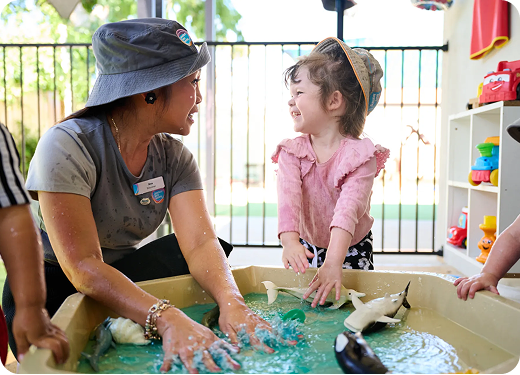
On Early Learning Educators Day, we salute you! Every day, early learning educators help shape children's futures by creating opportunities for movement, exploration, play and joy.
This NAIDOC Week, Move It Monday is all about celebrating Indigenous movement, culture and connection through play.
Indigenous elders are masters at promoting energetic play in childhood. Movement, dance, play, and storytelling are the best ways for children to explore, express, and connect with the world around them, just as First Nations peoples have done for tens of thousands of years.
Here are some NAIDOC celebration ideas for your early learning service, inspired by the people who inspire us at The Kids Research Institute: elders past and present on the beautiful land we live on with their ongoing contributions to our research and children’s health. At The Kids, the Kulunga Aboriginal Unit supports meaningful Aboriginal community engagement, research partnerships and capacity building that contribute to better outcomes for Aboriginal children and families.
Let’s get started with language, animals and movement.
Encourage children to:
Incorporate local language respectfully by:
Here at The Kids we are Nyoongar, Yawaru, Kariyarri and Kuarna lands. Here are some Nyoongar words.
Additional language resources can be found here: https://noongarboodjar.com.au/
Animal Tracking Game
Discussion
Talk about how First Nations peoples are highly skilled observers of Country. Aboriginal and Torres Strait Islander peoples have developed deep knowledge of animals, plants, waterways, weather and seasonal indicators over tens of thousands of years. These observations help people move safely through Country and care for the environment. Narragunnawali's Caring for Country resources provide excellent educator support for these conversations https://www.narragunnawali.org.au/rap/actions/47/care-for-country
Target Toss
Inspired by Traditional Indigenous Games
Many Aboriginal and Torres Strait Islander games help children develop skills such as aiming, teamwork, observation, problem-solving and movement. This activity has been adapted for early childhood settings and is inspired by traditional games documented through the Australian Sports Commission's Yulunga: Traditional Indigenous Games resource. https://www.ausport.gov.au/yulunga
Reflective Question for Educators
How can we move beyond celebrating culture during NAIDOC Week and embed Aboriginal and Torres Strait Islander perspectives, language and connections to Country into everyday play and learning throughout the year?
Ideas:
Connect to Country daily
Storytelling and Literacy
EYLF Links
Outcome 1: Children Have a Strong Sense of Identity
Children develop a sense of belonging and respect for the histories, languages, cultures and identities of Aboriginal and Torres Strait Islander peoples.
Outcome 2: Children Are Connected With and Contribute to Their World
Children become socially responsible and show respect for the environment and cultural diversity.
Outcome 3: Children Have a Strong Sense of Wellbeing
Children develop physical skills, coordination and confidence through active movement.
Outcome 4: Children Are Confident and Involved Learners
Children develop curiosity, problem-solving and inquiry skills.
Outcome 5: Children Are Effective Communicators
Children engage with language, symbols and storytelling.
National Quality Standard (NQS) Links
QA1 – Educational Program and Practice
QA3 – Physical Environment
QA5 – Relationships With Children
QA6 – Collaborative Partnerships with Families and Communities
QA7 – Governance and Leadership
On Early Learning Educators Day, we salute you! Every day, early learning educators help shape children's futures by creating opportunities for movement, exploration, play and joy.
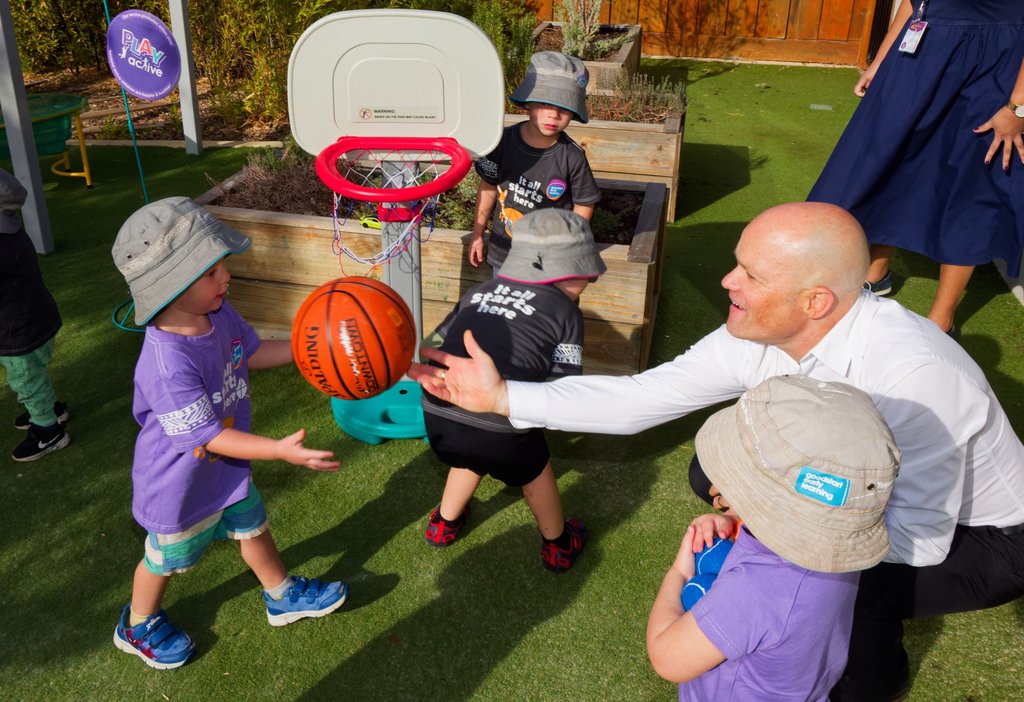
For National Science Week, we celebrate how early learning services across Australia are contributing children's healthy development.
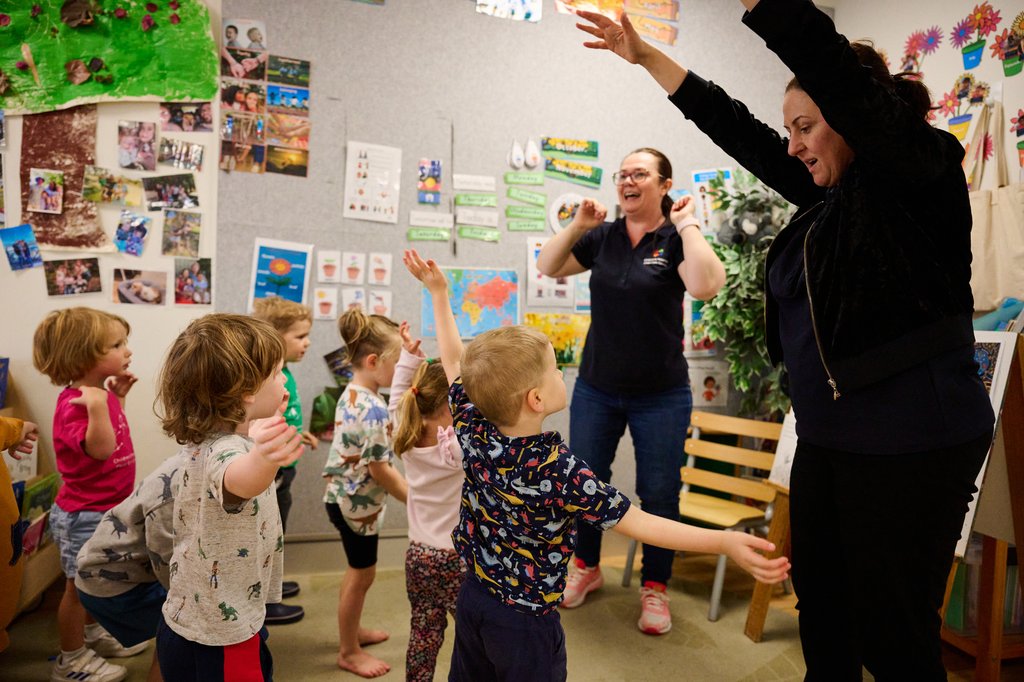
With national child safety reforms landing, services are having to re-examine daily practice. Here’s why educator-led energetic play is one of your strongest safeguards under National Quality Standards Quality Area 2.
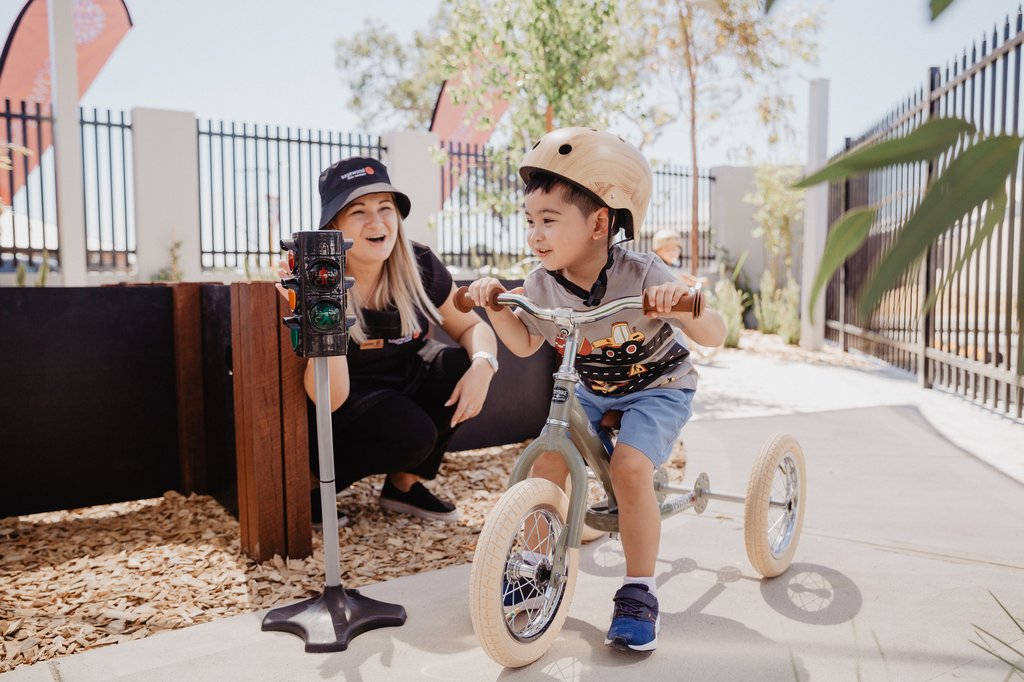
Sagewood Early Learning services describe Play Active as having a positive and strengthening impact on safety and supervision practices. The program provides educators with clear ideas and strategies to embed active play meaningfully into the program, which results in higher levels of engagement and more purposeful supervision.